
Lower energy bills
Reduces the need for heating in winter and air conditioning in summer by slowing heat transfer through the building envelope.
Highett
Bulk insulation traps still air to slow heat flow through ceilings, walls and floors. In Highett’s climate of cold winters and hot summers, it keeps homes warmer in winter and cooler in summer, cutting heating and cooling costs.
Share your details and Expert Insulation Melbourne will contact you about Bulk Insulation in Highett.
Bulk insulation uses materials like glasswool, polyester or rockwool batts to resist heat flow by trapping still air. In Highett, where temperature swings are common, it is the most effective way to reduce winter heat loss through the ceiling and summer heat gain through the roof and walls. It also dampens noise between rooms and from outside.
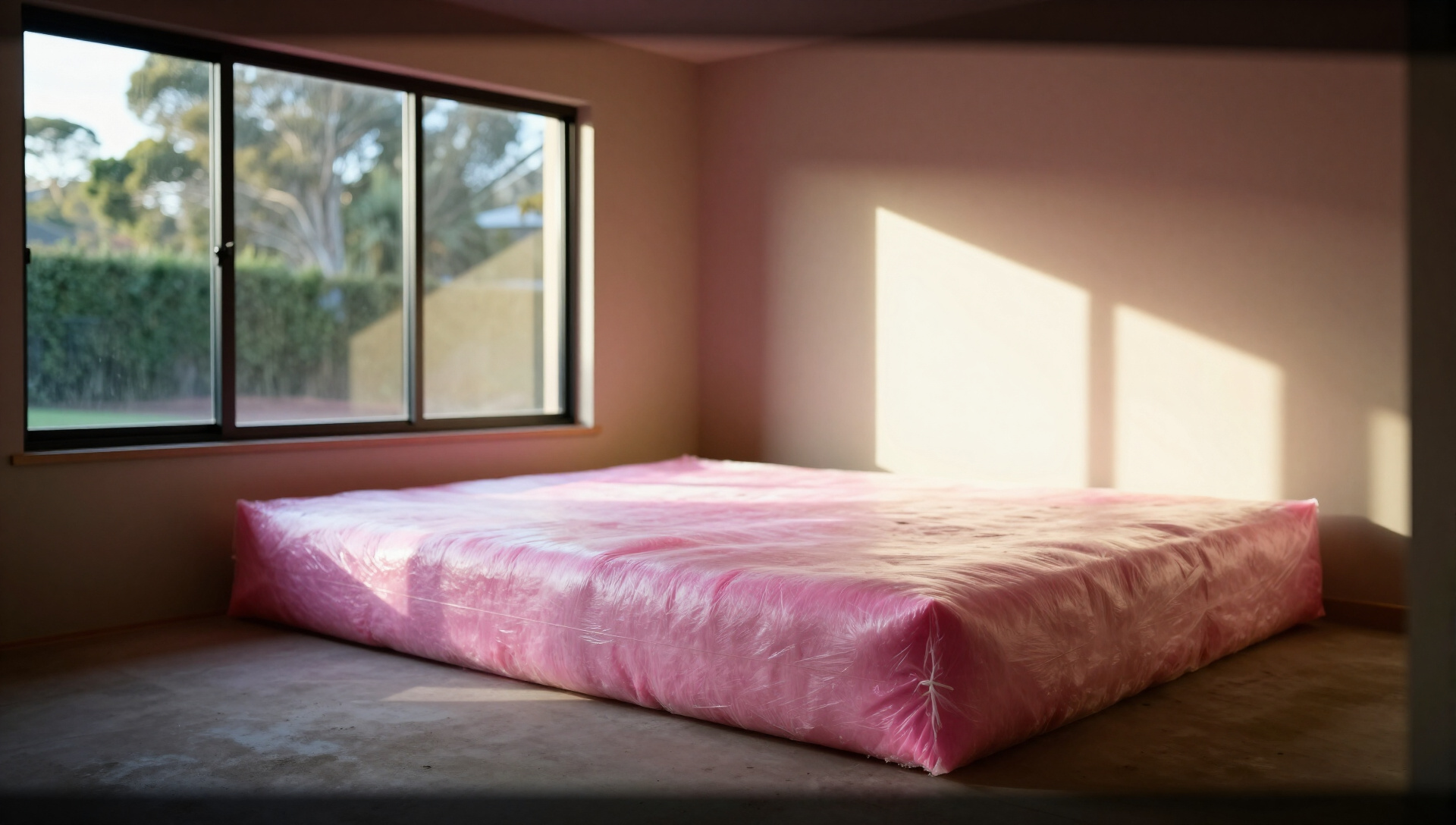
Highett’s mix of older weatherboard homes and newer brick veneer houses all benefit from bulk insulation. It directly addresses the main paths of heat loss and gain, making living spaces more comfortable year-round.
Reduces the need for heating in winter and air conditioning in summer by slowing heat transfer through the building envelope.
Minimises cold floors, draughty rooms and hot ceilings by evening out temperature differences between rooms and levels.
Absorbs airborne noise from traffic, neighbours and internal sources, improving acoustic comfort in walls and ceilings.
Bulk batts do not settle or degrade over time if installed correctly and kept dry, maintaining their R-value for decades.
Glasswool and rockwool are non-combustible, adding a fire-resistant barrier in walls and ceilings.
Polyester batts resist moisture and will not absorb water, making them a good fit for humid areas or under floors.
Installation is quick and non-invasive for most homes. We work in the roof space, under the floor or inside wall cavities during renovations, ensuring full coverage with no gaps or compression.
We check the roof space, subfloor or wall cavities for access, existing insulation, wiring, downlights and any signs of moisture or pests. We measure the area to calculate the quantity of batts required.
You choose the material and R-value based on budget, performance needs and any specific concerns like moisture or noise. We advise on the best fit for your Highett home’s construction and climate exposure.
Batts are cut to size and friction-fitted between joists, studs or bearers with no gaps. We maintain clearances around downlights, flues and electrical cables. In walls, batts are placed before lining during renovations.
We remove all offcuts and debris from the site. A final inspection ensures full coverage, no compression and that all safety clearances are maintained.
Highett’s proximity to the bay means homes are exposed to strong winds and temperature swings. Older weatherboard houses often have no insulation, while brick veneer homes may have thin or degraded batts. Bulk insulation in ceilings, walls and under suspended floors directly counters these issues, reducing energy use and improving comfort.
Effective thermal and acoustic insulation for Highett homes using glasswool, polyester or rockwool batts.
Common questions we hear from Highett homeowners about bulk insulation materials, R-values, installation and cost factors.
Bulk insulation in Highett slows the transfer of heat through ceilings, walls and floors by trapping still air within fibrous materials. Glasswool, polyester and rockwool batts are the most common types, each with different strengths for thermal performance, moisture resistance and acoustic damping. In Highett’s climate, ceiling insulation is the priority to reduce winter heat loss, while wall and underfloor insulation further stabilise indoor temperatures.
The R-value indicates thermal resistance, with higher numbers providing better insulation. For Highett homes, ceilings commonly use R4.0 to R6.0 batts, walls R2.0 to R2.7, and underfloors R1.5 to R2.5. The right R-value depends on your budget, the home’s construction and how much you rely on heating and cooling. We also consider moisture exposure, especially under floors and in external walls, when recommending materials.
Installation in existing homes is usually done in the roof space and under the floor without removing linings. For walls, bulk insulation is best added during renovations or extensions when the cavity is open. Cost varies with the area to cover, chosen R-value, access difficulty and whether old insulation needs removal first. If we encounter old insulation that may contain asbestos, work stops until a qualified assessor inspects it.
Call Expert Insulation Melbourne on 0399695249 or email info@expertinsulationmelbourne. com. au to discuss bulk insulation for your Highett home.