
Warmer floors in winter
Insulation between the joists creates a thermal break that prevents the cold subfloor from chilling the floorboards above. This is especially noticeable in living rooms and bedrooms directly over the subfloor.
Highett
Underfloor insulation fitted under suspended timber floors in Highett stops cold draughts through floorboards and keeps your home warmer in winter.
Share your details and Expert Insulation Melbourne will contact you about Underfloor Insulation in Highett.
Highett homes with suspended timber floors often suffer from cold floors and draughts rising through gaps in the floorboards. Underfloor insulation fitted between the floor joists in the subfloor blocks these air leaks and adds a thermal barrier that reduces winter heat loss. Typical R-values for underfloor batts range from R1. 5 to R2.
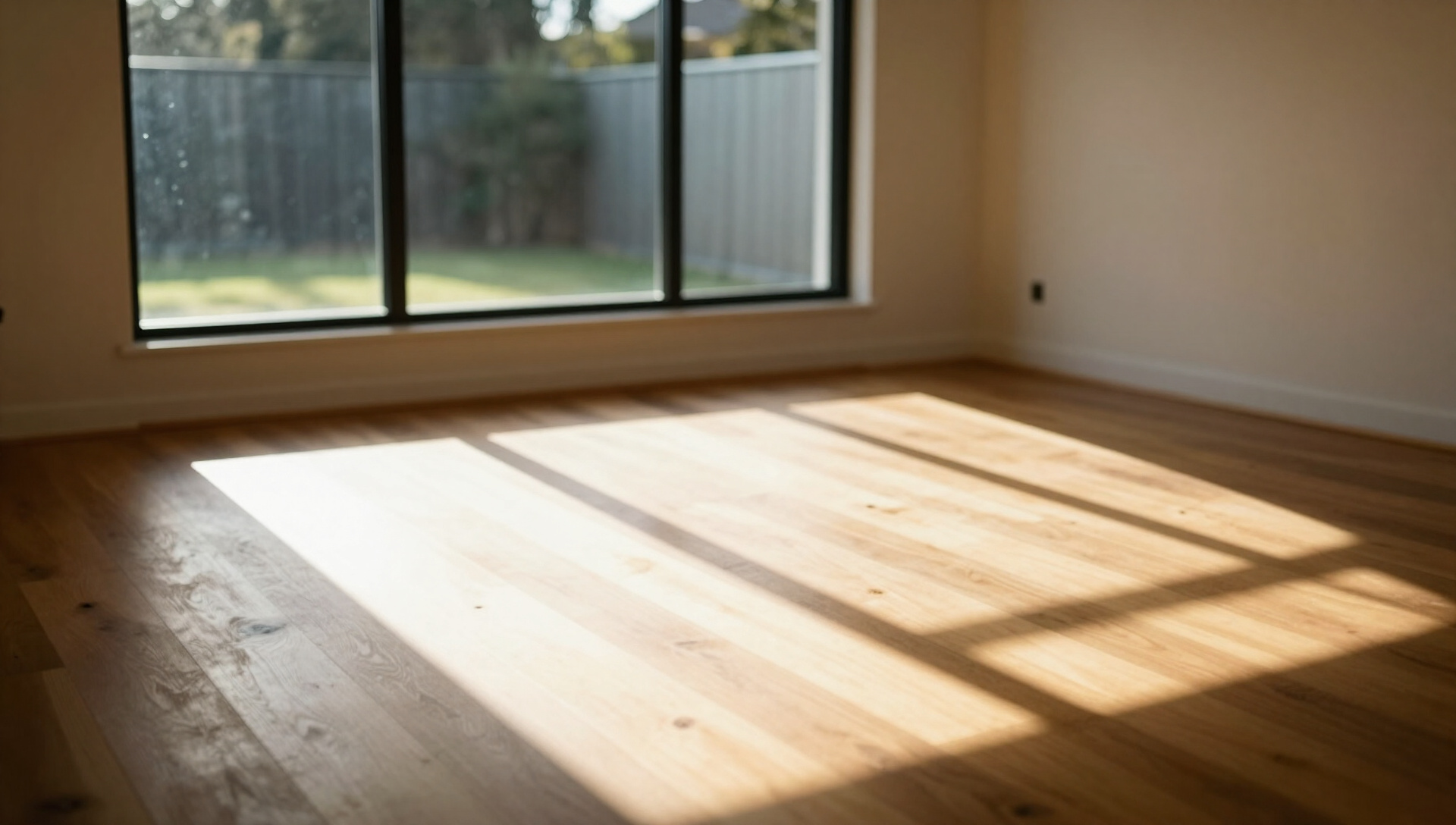
Melbourne’s cold winters and frequent temperature swings make underfloor insulation a practical upgrade for Highett homes. The subfloor space under suspended timber floors is often uninsulated, allowing cold air to enter and warm air to escape. Installing batts between the joists addresses this directly.
Insulation between the joists creates a thermal break that prevents the cold subfloor from chilling the floorboards above. This is especially noticeable in living rooms and bedrooms directly over the subfloor.
Gaps between floorboards and around skirting boards let cold air rise into the home. Underfloor batts block these draughts, improving comfort and reducing the load on heating systems.
By slowing heat loss through the floor, the home retains warmth longer. Heaters run less often, which cuts energy use and power bills over winter.
A well-insulated subfloor reduces air movement that can carry dust and moisture from under the house into living spaces. This helps maintain better indoor air quality.
Underfloor insulation is installed from below, so it does not disturb carpets, timber finishes or tiles. The only requirement is sufficient crawl space to access the joists.
Quality bulk insulation like glasswool or polyester batts does not sag or compress over time when installed correctly. It maintains its R-value and effectiveness for the life of the home.
Installing underfloor insulation in Highett involves working in the subfloor space, so access and safety are the first considerations. The job is typically completed in a day for an average home, depending on the floor area and ease of access.
The installer checks the subfloor for adequate crawl space, structural condition and any existing insulation. If old batts are present and damaged, they are removed before new material goes in. Work stops if asbestos is suspected until a qualified assessor inspects it.
Bulk insulation batts are measured to fit snugly between the floor joists without gaps. The R-value is chosen based on the available joist depth and the home’s needs, with R1.5 to R2.5 common for underfloor applications.
Batts are friction-fitted between the joists, ensuring full contact with the timber and no compression. Reflective foil can be added under the batts in some cases to further reduce radiant heat loss, but bulk insulation is the primary layer.
Batts are held in place by the friction fit and, if needed, stapled or supported to prevent sagging. The subfloor is left clean, and access points are secured. The homeowner can use the space immediately after installation.
Highett’s mix of older weatherboard and postwar brick homes often have suspended timber floors that benefit from underfloor insulation. The suburb’s proximity to the bay can bring damp, chilly air that seeps through uninsulated subfloors, making rooms feel colder. Insulating under the floor improves comfort and reduces the strain on heating systems during Melbourne’s winter months.
Stop cold floors and draughts with underfloor insulation fitted under suspended timber floors in Highett.
Homeowners in Highett often ask about the practicalities of underfloor insulation, from access and cost factors to the best materials for their home.
Underfloor insulation in Highett addresses the common issue of cold floors and draughts in homes with suspended timber flooring. By installing bulk insulation batts between the floor joists in the subfloor, the thermal barrier reduces winter heat loss and stops cold air rising through floorboards. This is particularly effective in Highett, where older homes often lack any subfloor insulation and suffer from chilly indoor temperatures.
The process begins with an inspection of the subfloor to confirm adequate crawl space and structural suitability. Batts are then measured and cut to fit snugly between joists, with typical R-values ranging from R1.5 to R2.5 for underfloor applications. The choice of material, such as glasswool or polyester, depends on the home’s specific needs and the available depth between joists. Proper installation ensures the batts remain in place and maintain their thermal performance over time.
Costs for underfloor insulation in Highett are influenced by factors such as the floor area, ease of access to the subfloor, the chosen R-value and whether old insulation needs removal. Homes with limited crawl space or complex subfloor layouts may require additional time and labour. Despite these variables, the long-term savings on heating costs and the improvement in comfort make underfloor insulation a worthwhile investment for Highett homeowners.
Stop cold floors and draughts with underfloor insulation installed by Expert Insulation Melbourne. We work in Highett and surrounding suburbs, providing reliable solutions for suspended timber floors.